
Since 2020, the Zinn Education Project has hosted hundreds of Teaching for Black Lives study groups. Teachers study how to teach for Black lives and gain the collective strength to face right wing attacks. There is power in numbers.
We’re sharing some of the readings, prompts, and videos that study groups used in their Fall 2025 meetings.
Sacramento, California
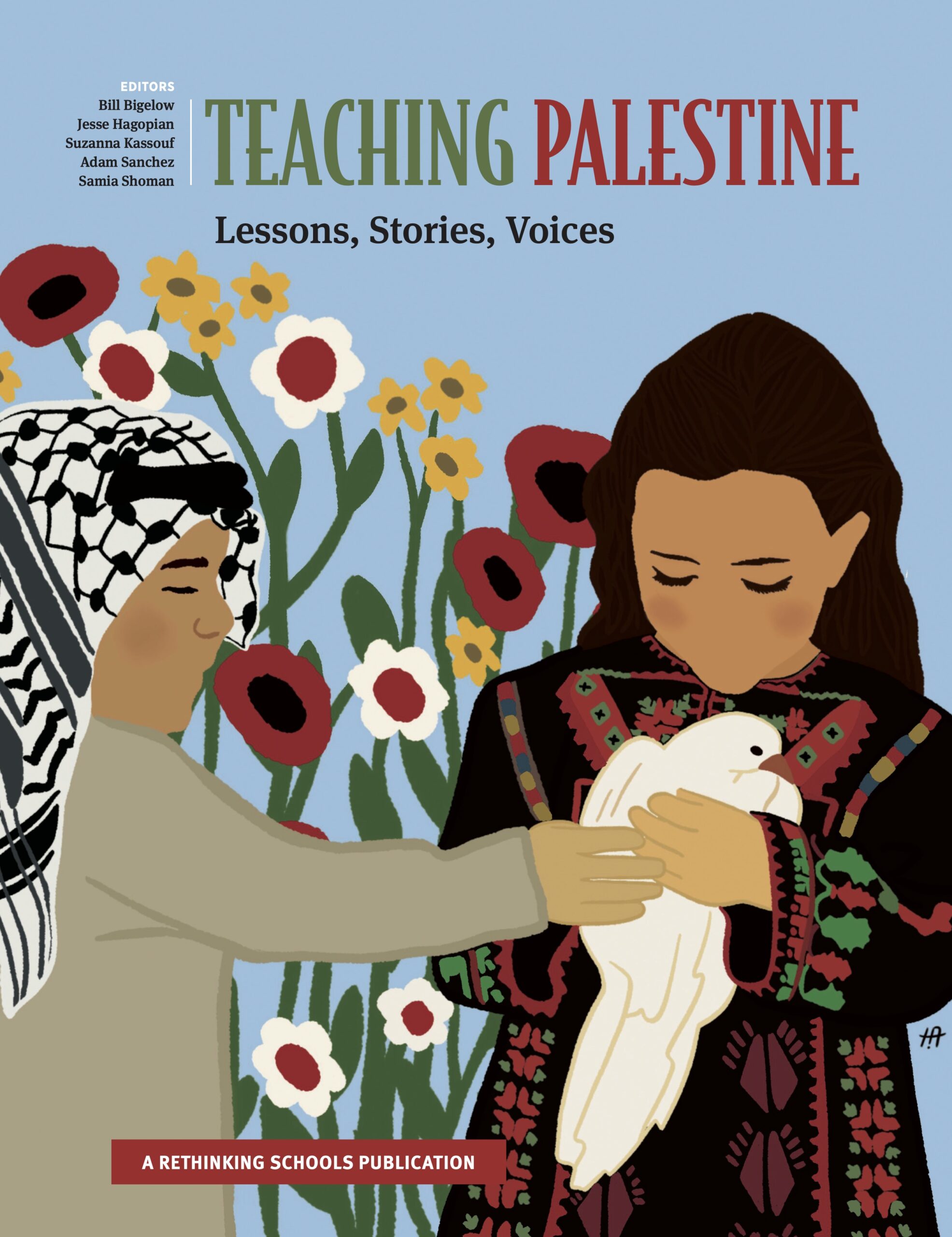
Alumni educators from the California Department of Education formed a Teaching Palestine study group and an Equity in Screen Media group as well. Nicole Seymour, early education consultant and group co-coordinator, said,
Many of us are starting to take action in our daily lives. We are becoming more outspoken and are actively seeking information when we complete readings. We are all invested in getting involved at the local level to bring change and awareness to our area.
We plan to see “The Voice of Hind Rajab” when it becomes available.
San Leandro, California
Elementary educators in the returning Teaching for Black Lives study group discussed Section 4: Discipline, the Schools-to-Prison Pipeline, and Mass Incarceration. Paulette Smith, group coordinator said,
We talked about the new exhibit “Black Spaces: Reclaim & Remain” at the Oakland Museum of California, the redlining history of Russell City, the resilience of our Black communities, and the work that has been done to fight against white supremacy.
Des Moines, Iowa
In November, 14 educators from Goodrell Middle School read “Snapshots of Joy: Using Photo Analysis to Challenge Dominant Narratives” from the Rethinking Schools Fall 2025 issue. Haileigh Mejia, special education teacher and study group coordinator said,
As a group we popcorn read this article. Our group enjoyed this activity. For many of us it was new learning and we had not previously seen these photos.
Portland, Maine
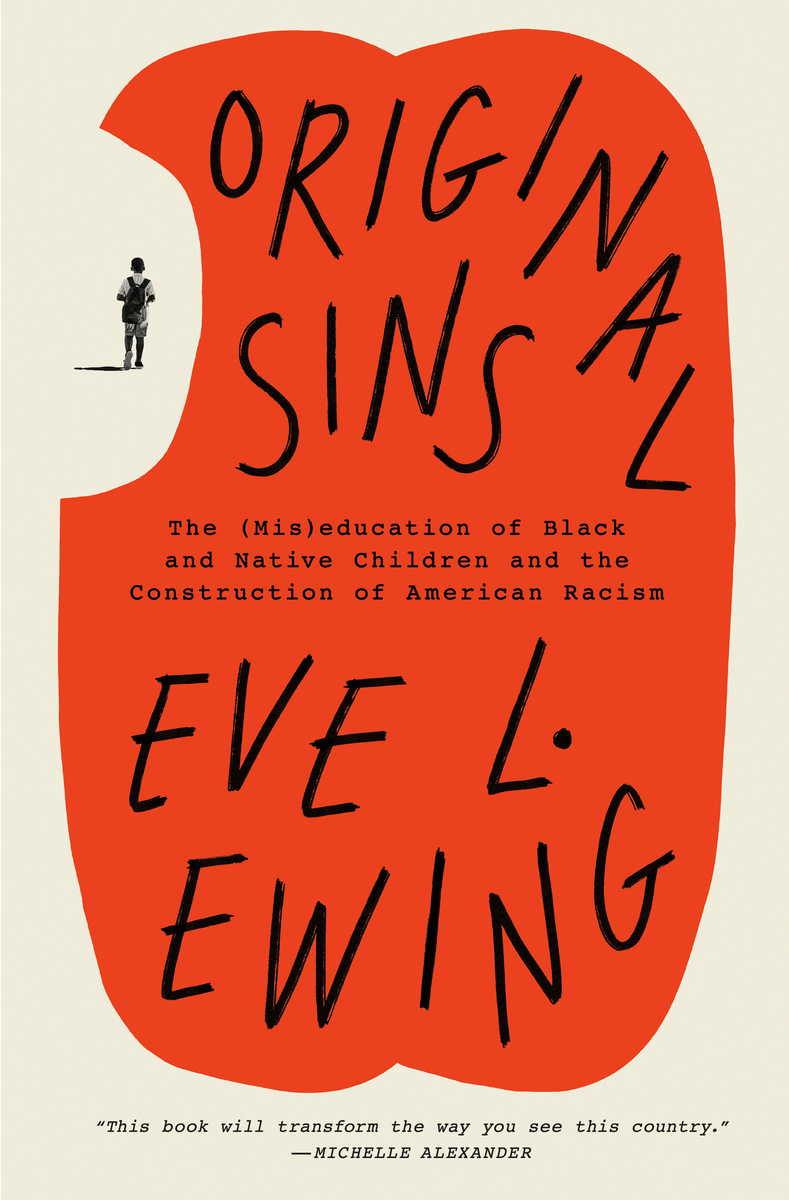
The alumni Teaching for Black Lives study group, returning for their 4th year, read, “Original Sins — and What to Do About Them: An Interview with Eve L. Ewing” from the Rethinking Schools Summer 2025 issue, and Chapter 1 of Troublemakers by Carla Shalaby. Sarae Pacetta, pre-school teacher and study group coordinator, said,
They were all rich, with opportunities for us to think about our own lives out in the world as well as specific connections to our work as educators.
With Troublemakers, we thought a lot about control in classrooms, and wondered how we can teach norms that allow our classrooms to run smoothly while allowing for behavior that seems “abnormal” but might actually be culturally different.
Ewing’s piece had us going in so many directions, but this is a reflection on how Original Sins impacts our school culture: We see so many examples of obvious problematic celebrating of Thanksgiving, but where do we still act out an invisible normalization of white supremacy around Thanksgiving? Saying happy thanksgiving, only talking about gratitude in November, and doing Thanksgiving projects…all reinforce the idea that everyone celebrates it, that representations of colonialism are happy times for everyone. It takes the dominant narrative and acts like it fits for everyone, erasing the experiences and perspectives of people who don’t share that view.
Omaha, Nebraska
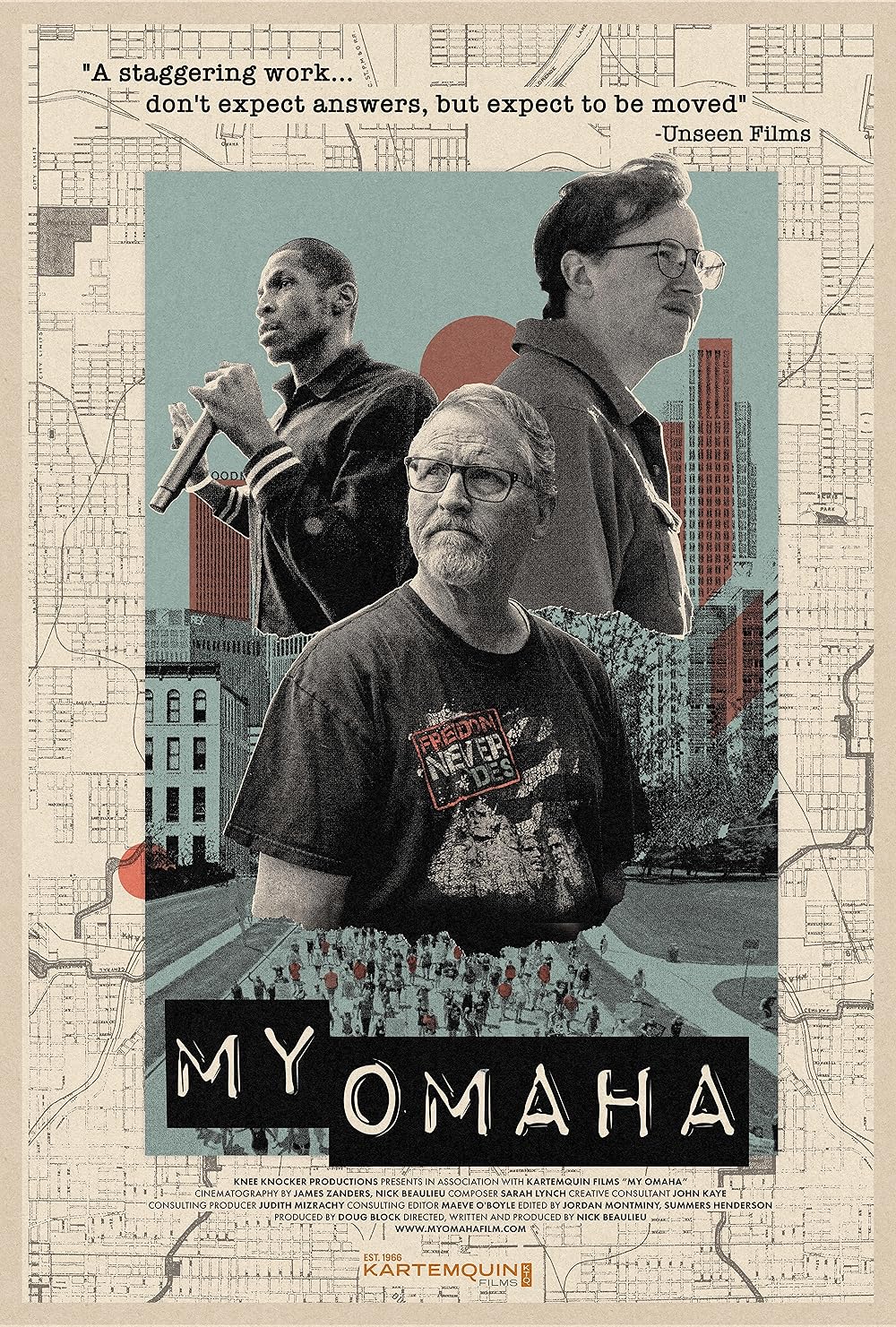
Teachers from Lewis and Clark Middle School and Burke High School discussed the documentary My Omaha during their second meeting. Kristi Bryan, librarian and study group co-coordinator, said,
We talked about our desire to learn more about the history of our city. When we discussed Section 2: “Enslavement, Civil Rights, and Black Liberation” of Teaching for Black Lives, we brainstormed ways we can bring Black History into our classes and how we could take examples from lessons such as “Presidents and the Enslaved” to create meaningful activities for our students.
We want to have conversations about race and racism in our school and our city. We’re reaching out to the leaders of the Great Plains Black History Museum, as well as a social justice group at a local church to see if we can become involved in larger conversations that are already taking place in Omaha.
Montclair, New Jersey
Four educators met monthly to prepare for Black Lives Matter at School Week of Action. They read the “How One Elementary School Sparked a Citywide Movement to Make Black Students’ Lives Matter (pp. 67-68),” and watched Our Schools, Our Town, a short documentary “showing the history of the magnet school system in our district that voluntarily desegregated the school district.” Educators plan to share the documentary with students to discuss the Black Villages & Diversity guiding principles during the week of action. They are planning professional development workshops on teaching about Black history.
New York City, New York
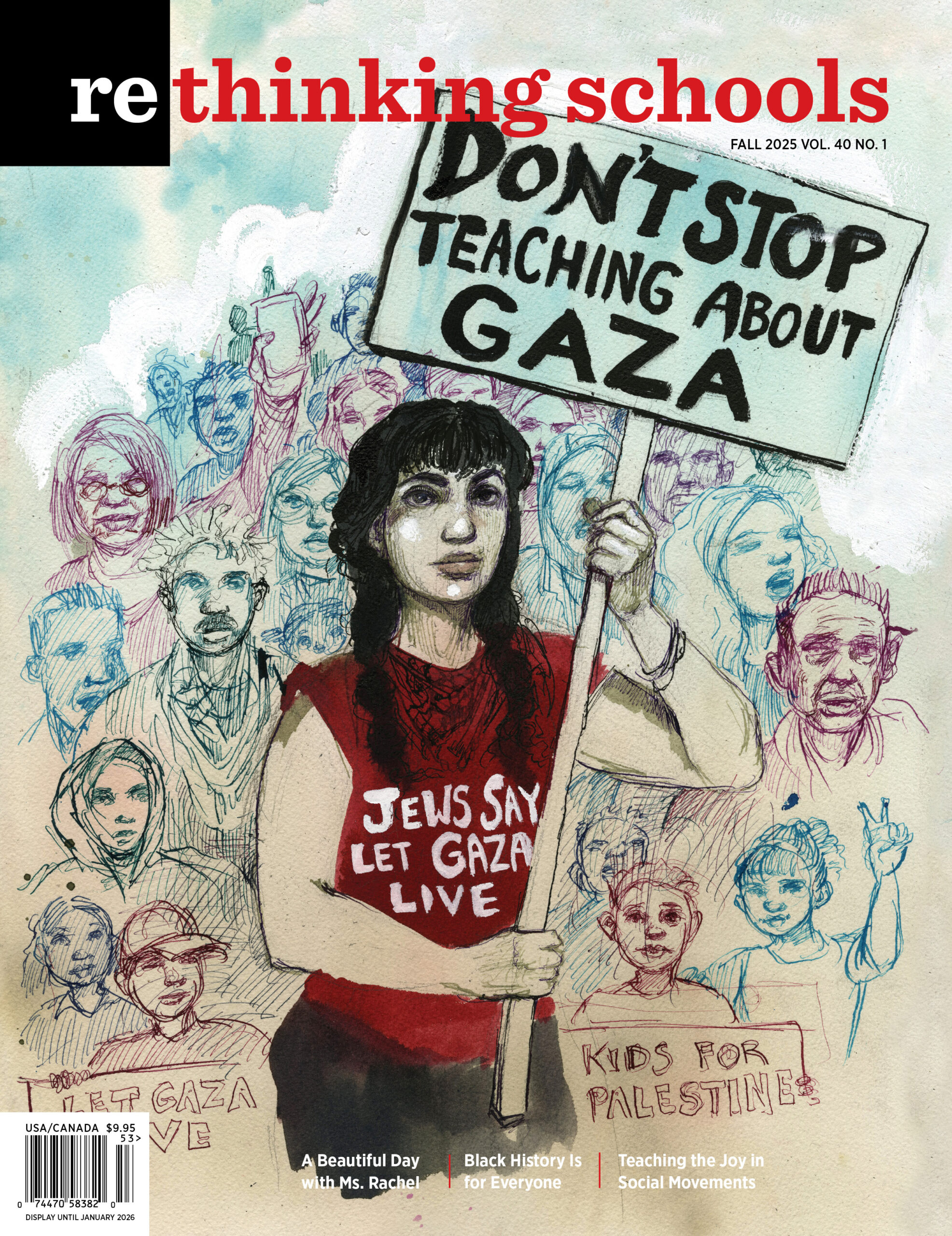
The alumni Teaching for Black Lives study group, continuing for the 4th year, read “Black History Is for Everyone: An Interview with Brian Jones” from the Rethinking Schools Fall 2025 issue. Ina Pannell-SaintSurin, Prentiss Charney fellow and group co-coordinator, shared their discussion questions:
- What are the implications in Jesse Hagopian and Brian Jones’s conversation for our work and our organizing in this historical moment?
- How do we continue to be antiracist in this time?
- What does courage look like, right now, for white and BIPOC educators, students, and families?
- How do we support one another to lean into courage?
Orem, Utah
Teacher educators from Utah Valley University and teachers from a local high school are reading Eve L. Ewing’s Original Sins. Laurel Dias, assistant professor and study group coordinator said,
We read Part 1: “What Are Schools For?” and Part 2: “Defective Strains.” Each meeting we begin with a connection to Teaching for Black Lives either from the website or by an alumni study group member who participated in the group last year.
Everyone loves the book. Even a study group member who has only attended once, let me know she is keeping up with the readings and enjoys Ewing’s insights. We have a wide range of people in our group when it comes to familiarity with concepts in the book, so we spend some time defining and explaining things each meeting.